Many criminal figures are sent to Montenegro for illegal betting operations because this illegal activity is a criminal offense in Turkey, while many of these operations are not treated as criminal offenses in Montenegro.
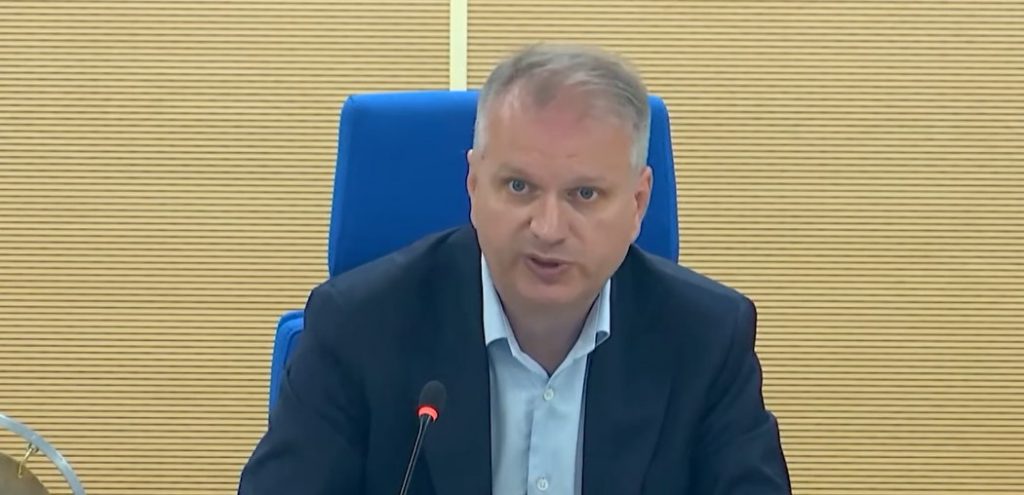
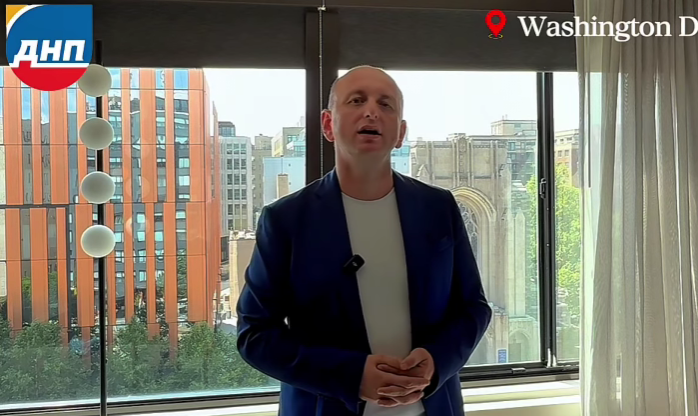
This is what Turkish journalist Ibrahim Haskoloğlu said in an exclusive interview for Borba.
Haskoloğlu became viral in Montenegro after his response to Prime Minister Milojko Spajić when he said that Montenegro received Turkish criminals with suspicious money that was legalized for them, so now someone else is to blame, responding to the cancellation of the visa-free regime for citizens of the Republic of Turkey.
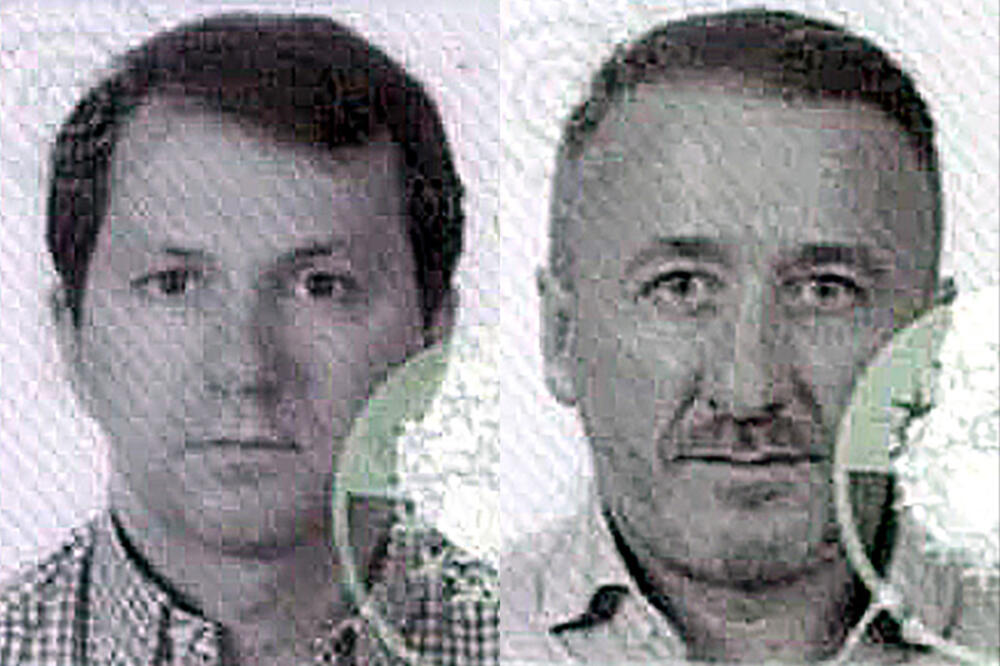
In an interview for our portal, Haskoloğlu revealed two names that were hiding in Montenegro, where they were wanted by the Turkish authorities for illegal gambling and sexual abuse. The Turkish journalist states that he is also in contact with the special prosecutor Vukas Radonjic.
„Illegal bookmakers receive millions of dollars from Turkey, and then transfer this money through various systems to „cleanse“ it, and at the same time they support and „feed“ the criminals they brought to Montenegro — i.e. they finance criminal networks and run large online marketing campaigns, often targeting young women in Montenegro. Over time, Montenegro became a center of criminal activities for some of these people; many treat the country as their base,“ he told Borba.
In an exclusive interview, he states that there are at least two large gambling/hospitality complexes in Montenegro.
„Investigate who goes in and out of those facilities and you will see the same group of people. Many suspected criminals have been living there for months — I was able to identify several by linking IP addresses and other digital traces. If Turkey can detect them from a distance, why can’t the local authorities? That’s a big question mark,“ he told Borba.
Borba: What prompted you to start investigating Turkish criminal groups? How does the whole case relate to Montenegro, which you have mentioned in your posts on X?
There are a very large number of criminals fleeing Turkey and settling abroad. The primary activity many of them run from there is illegal gambling. Let me be clear: by “illegal gambling” I mean activities that are criminal under Turkish law — all kinds of illicit betting are crimes in Turkey — but many of those operations are not treated as crimes in Montenegro. For that reason, many criminal figures from Turkey head to Montenegro.
These illegal betting sites operate as straightforward fraud businesses. When you place bets or “win” money on these platforms, they may simply refuse to pay you because they hold no legitimate licences. Almost all of the people who run these platforms are criminal actors who fled Turkey for Europe.
I will give you some concrete examples below.
Borba: In your posts on the X platform, you claim that many individuals who are under investigation in Turkey or wanted by your country are in Montenegro. To your knowledge, how widespread is this phenomenon and do you have an estimate of the number of such individuals?
One person I have been tracking is Özgür Yağan — he is wanted in Turkey for illegal gambling and sexual abuse, and there are multiple revelations that he lived in Montenegro.
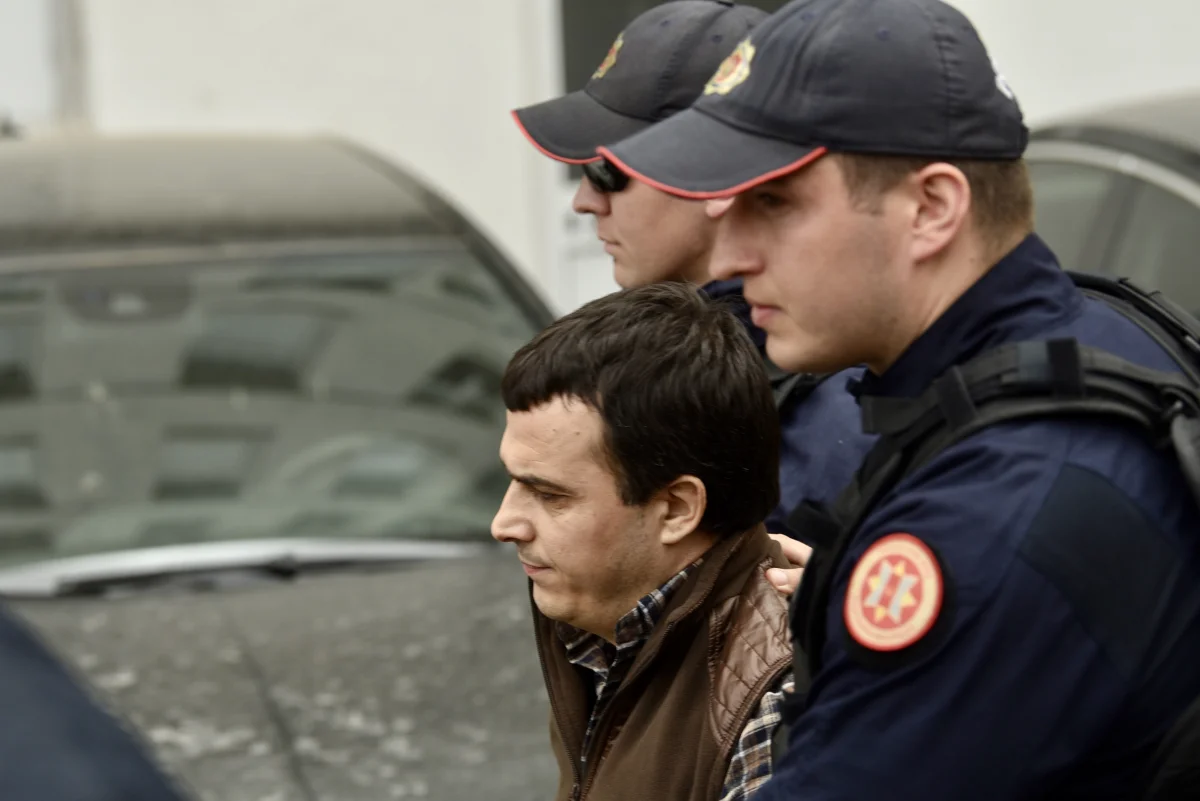
Another name is Erkan Özman. He is reported to have run these illegal operations in Montenegro for years and was at one point detained. I spoke with the prosecutor who handled the case — Vukas Radonjic — and he told me the case was being investigated. However, Erkan Özman suddenly fled to Dubai. From my investigation, it appears that some very powerful criminal bosses in Montenegro tried to pressure or target Özman, and although the prosecutor took the case, somehow the prosecution did not hold him — and he left for Dubai. I personally met with that prosecutor and requested documents, but he did not provide any information to me.
Borba: You stated that some of these people are involved in illegal online betting and money laundering through websites registered in Montenegro. Can you describe what this mechanism looks like — how the money is legalized?
The model works like this: the people who flee Turkey open illegal betting platforms abroad. They cooperate with certain third-party platforms and steal or harvest personal data of people in Turkey — then they send SMSs and targeted messages as advertising. They also steal identity and bank details of vulnerable groups in Turkey (for example struggling students). These stolen identities and accounts are used in money-laundering circuits.
The illegal betting sites receive millions of dollars from Turkey, then move that money through various systems to “clean” it, and at the same time they support and “feed” the criminal people they brought to Montenegro — i.e., they finance criminal networks and run large-scale online marketing campaigns, often targeting young women in Montenegro. Over time, Montenegro has become, for some of these people, a centre for criminal activity; many treat the country like their home base.
You can also see violence connected to these circles: murders, serious assaults and clashes between gangs have occurred in Montenegro connected to organised crime.
Borba: In one post, you mentioned that you were contacted by the Montenegrin authorities. Can you reveal the content of that contact?
I cannot share details of that contact at this moment, because the officials who contacted me have asked that the information not be publicly disclosed right now.
Borba: How would you assess the reaction of Montenegrin institutions to these allegations — did you get the impression that there was willingness to investigate these cases, or was it more of a formal reaction without concrete steps?
From my experience, the Montenegrin authorities have not responded adequately to reports I previously made. I observed little concrete follow-up and, in many cases, no meaningful cooperation with Turkish authorities. That said, Montenegro is a beautiful country and its people are wonderful — but criminals exploit that image (“we live in a beautiful country, we gamble, we have beautiful girls”) to hide illicit activity. Because those operations bring significant amounts of money into Montenegro, there is little pressure on the system until criminal activity spills over and affects Montenegrin citizens.
Authorities could have taken stronger steps: refused residency or work permits to suspected criminals, denied local registrations, or expedited extradition or mutual-legal-assistance requests. Instead, economic incentives and regulatory gaps created a permissive environment and turned parts of the country into a hub for these illicit activities.
Borba: You mention that some criminal circles use Montenegro as a safe haven. In your opinion, is this a consequence of a failure in the local control system or are there political or financial interests that make this possible, either from the current goverment, or the ones that ruled before the big change happened in 2020?
I’d give a practical example: there are at least two very large gambling/hospitality complexes in Montenegro. Investigate who enters and leaves those facilities and you will see the same cast of people. Many suspected criminals live there for months at a time — I was able to identify several by linking IP addresses and other digital traces. If Turkey can detect them from afar, why can’t local authorities? That is a big question mark.
Borba: Are you ready to expand cooperation with Montenegrin investigators — to provide them with data or to help in further documenting these cases?
I am ready to provide all the help I can. I have been trying to alert government officials in your country for months but received no reply. If Montenegrin investigators want assistance, I can share the information I have and help document cases. I also want to stress that hundreds of thousands of Turks visit or live in Montenegro peacefully — these criminals do not represent ordinary Turkish citizens. No one wants a diplomatic rift between Turkey and Montenegro over the actions of a criminal minority.
Borba: And finally: how would you comment on the broader regional dimension of this problem — is there a regional criminal network that uses the Balkans as a hub for money laundering and digital gambling, or is it mostly individual groups from Turkey?
If you imagine yourself as a criminal who must avoid prosecution, and you know there is a country that will not return you to Turkey, where would you go? I would, frankly, go to that country too. That is why many of these criminals prefer Montenegro — they feel protected. That is why I have publicly criticised the Prime Minister: if the state has for years enabled this environment, there is a responsibility. The pattern is not only about individual groups — there are regional networks and cross-border flows that exploit gaps across the Balkans.